
Economic Affairs

Why Energy Bills Stay Political

Household Energy Bills and Political Pressure
Share

Household energy bills are political because they sit at the intersection of global markets, domestic regulation and public expectations about basic living costs. Governments cannot control every component of a bill, but voters still judge them on affordability.
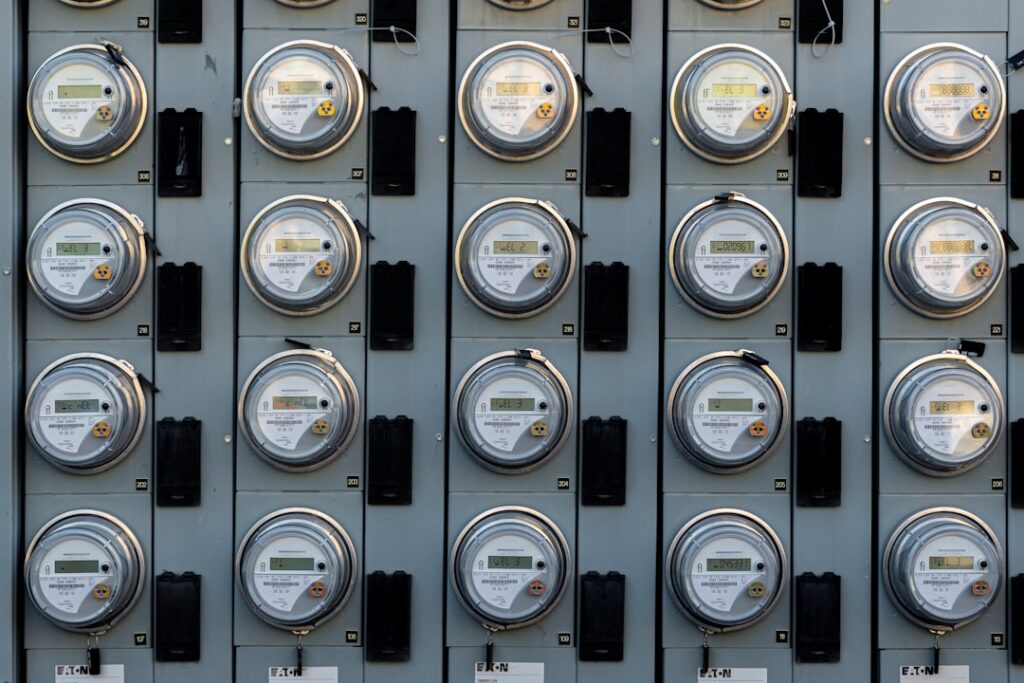
Household energy bills and political pressure in Britain

The price cap does not freeze prices

Ofgem’s price cap limits what suppliers can charge under standard variable tariffs, but it moves in response to underlying costs. Wholesale energy, network charges, policy costs and supplier operating expenses all feed into the calculation.

Short-term support and long-term investment pull in different directions

Governments can reduce immediate pressure through targeted support, tax changes or wider subsidies. At the same time, the system needs investment in grids, generation, storage and efficiency. Keeping bills low today while financing infrastructure for tomorrow creates an unavoidable political trade-off.

Energy security affects affordability

Exposure to international gas and electricity markets can transmit overseas shocks into British bills. More domestic generation and flexibility can reduce some risks, but no energy system is completely insulated from global prices or financing costs.

The debate is therefore not only about whether bills should be lower. It is about who pays for protection against volatility, infrastructure upgrades and the transition to a different energy system.


See Ofgem’s explanation of the energy price cap.

Share

Editor's Pick

Green Policy

Why Paved Front Gardens Matter for Urban Heat

Front gardens may look like a small part of Britain’s climate debate, but collectively they occupy a large area of urban land. As...

Society

Why Planning Reform Keeps Clashing With Local Control

Planning reform repeatedly returns to the same political problem: Britain needs more homes and infrastructure, but development decisions are made in places where...

Global Affairs

Afghanistan’s Hunger Crisis Deepens as Aid Funding Shrinks

Afghanistan remains one of the world’s most severe food-security emergencies. The World Food Programme says millions of people require urgent food assistance, while...

Voices

How to Read Political News More Critically

Political news is rarely difficult because every report is biased or unreliable. It is difficult because facts, interpretation, selection and emphasis are often...

Economic Affairs

Where Britain’s Green Jobs Are Actually Emerging

Britain’s low-carbon transition is creating new work, but not evenly. Offshore wind, grid upgrades, retrofitting, electric transport and industrial decarbonisation all require workers,...

Society

How Britain Measures Poverty

Arguments about poverty in Britain often sound contradictory because different statistics are answering different questions. A headline may refer to relative low income,...

Related Articles
Green Jobs: Mapping Britain's Future Workforce
Economic Affairs

Where Britain’s Green Jobs Are Actually Emerging

Britain’s low-carbon transition is creating new work, but not evenly. Offshore wind,...

Budget Deficit UK and Public Finance Choices
Economic Affairs

What Britain’s Budget Deficit Actually Measures

Britain’s budget deficit is the gap between what the public sector receives...

Treasury Spending Review and Public Priorities
Economic Affairs

How Spending Reviews Set Government Priorities

A spending review is where broad political promises become departmental budgets. It...

Migration and Labour in the UK Economy
Economic Affairs

How Migration Fits Into Britain’s Labour Market

Migration affects Britain’s labour market in different ways across different sectors. It...