

Afghanistan remains one of the world’s most severe food-security emergencies. The World Food Programme says millions of people require urgent food assistance, while funding shortages, conflict, drought and disrupted trade routes are making humanitarian operations harder to sustain.
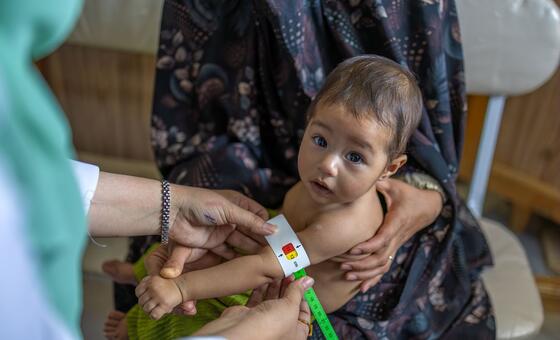
A crisis driven by several pressures at once
The emergency is not the result of one shock. Weak household incomes, recurrent drought, displacement, border disruption and the wider regional economic environment have combined to leave large numbers of families unable to afford enough food.
WFP reporting in 2026 has also highlighted the effect of funding shortages. Humanitarian organisations can identify urgent need without necessarily having the resources to reach everyone affected, creating difficult choices over where limited assistance is directed.
Why the crisis matters for British foreign policy
For the UK and other donor governments, Afghanistan illustrates a persistent foreign-policy dilemma: humanitarian assistance may be necessary even when diplomatic relations with the authorities remain deeply constrained. Food aid, health support and basic services must often be delivered through international agencies rather than normal government-to-government cooperation.
That separates humanitarian policy from political recognition. Donor governments can fund assistance to civilians while maintaining sanctions, legal restrictions or diplomatic distance from the de facto authorities.
The funding question is becoming central
As simultaneous crises compete for international attention, Afghanistan’s humanitarian response increasingly depends on whether donor states maintain funding over time. The political challenge is not only responding to a sudden emergency but sustaining basic assistance during a prolonged one.
View the World Food Programme’s current Afghanistan emergency data.