


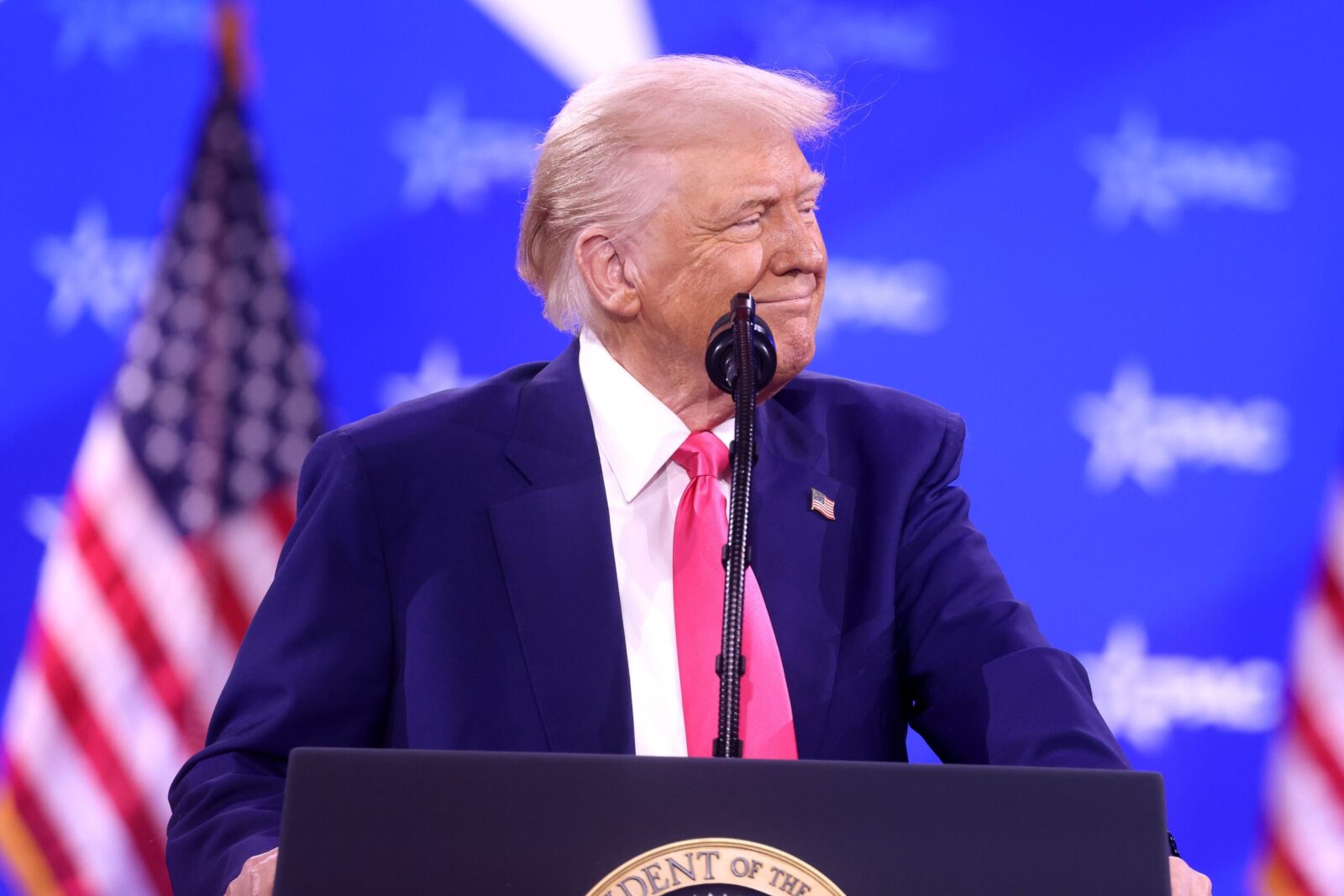
Donald Trump’s renewed focus on countering the BRICS bloc could inadvertently drive developing nations closer to the intergovernmental organisation, international policy analysts suggest. While the incoming administration aims to use trade restrictions and financial measures to limit the expanding influence of the coalition, the strategy risks producing the opposite outcome.
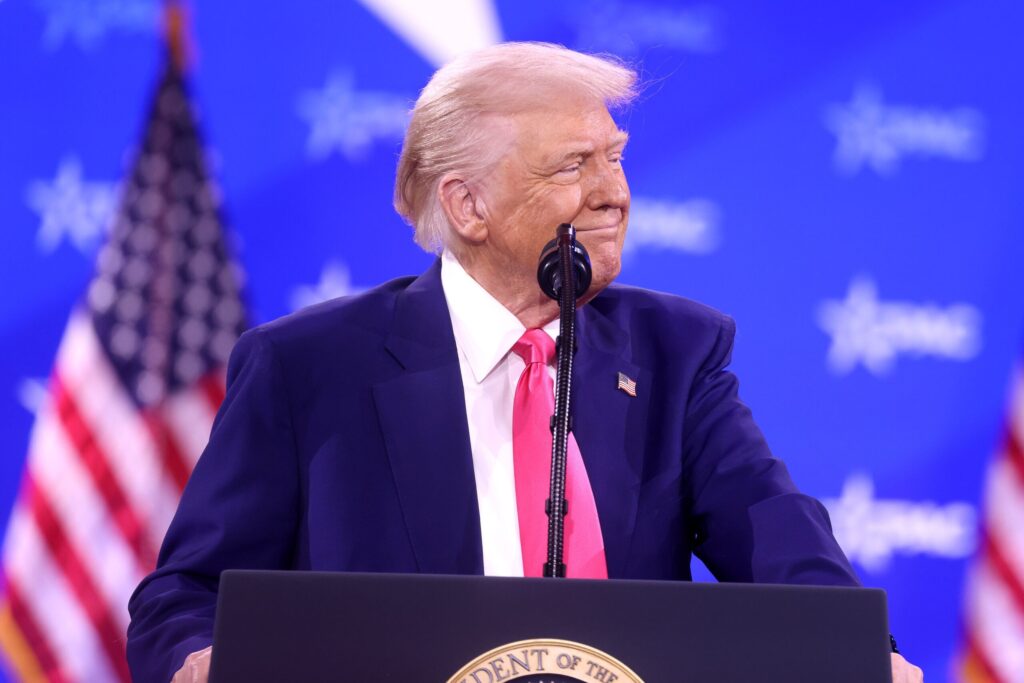
The grouping—originally comprising Brazil, Russia, India, China, and South Africa—has steadily expanded to include several new member states seeking alternatives to Western-led financial infrastructure. Observers note that aggressive trade policies from Washington often encourage emerging economies to deepen their diplomatic and economic ties as a hedge against external pressure.
Understanding these complex geopolitical shifts requires careful examination of international reporting, especially when foreign policy decisions intersect with global trade. For those seeking to evaluate such developments objectively, guidance on critical media consumption remains essential for navigating partisan framing and official rhetoric.
Furthermore, policy institutes and independent research organisations will likely scrutinise how the White House manages its broader diplomatic strategy. Independent analysis helps policymakers and the public understand the long-term implications of economic sanctions on global alliances.