


Green Policy

Nigeria Seeks Domestic Solar Industry

Nigeria Seeks Domestic Solar Industry
Share

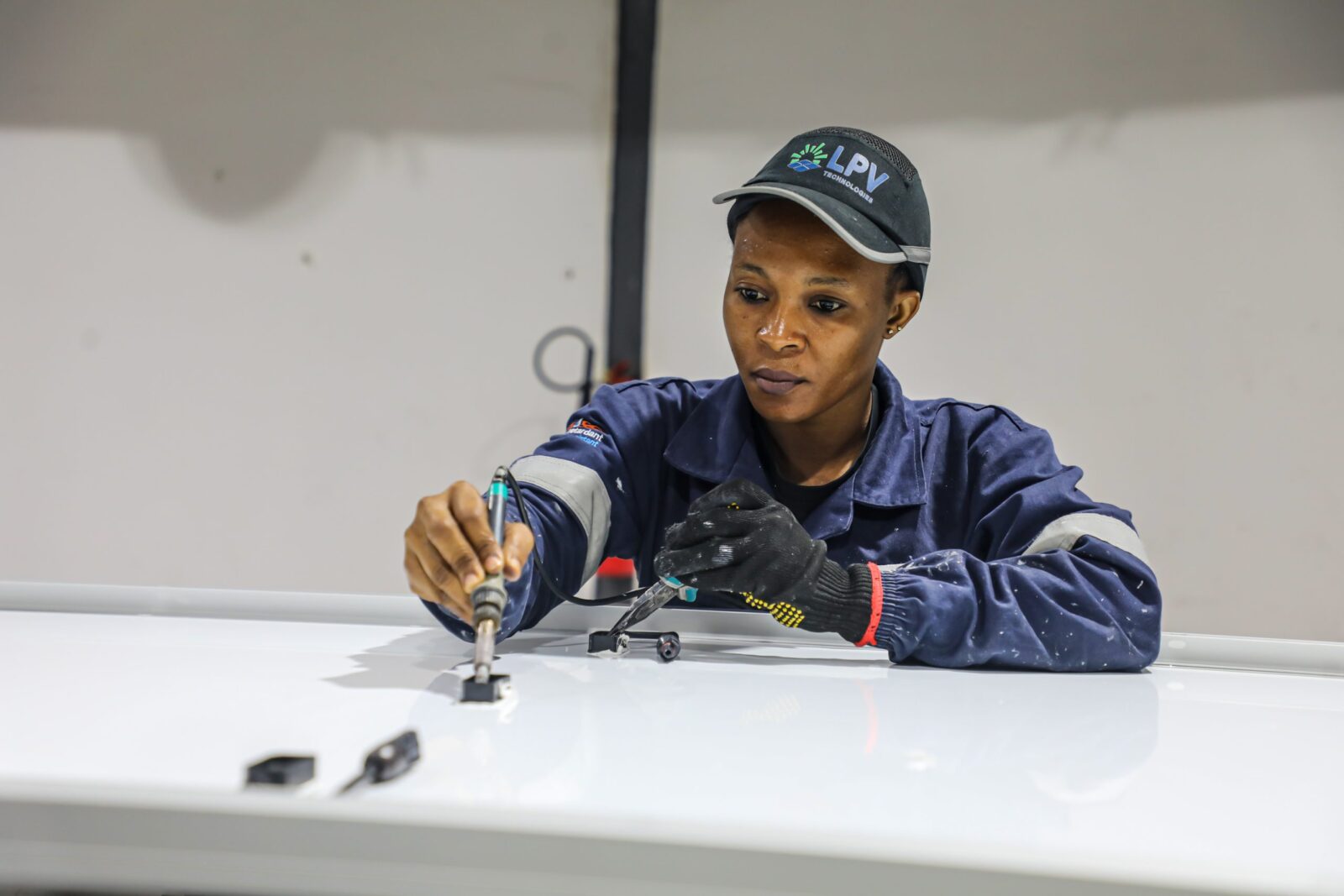
Nigeria is working to establish a domestic solar manufacturing sector as a broader renewable energy revolution accelerates across the African continent. Policymakers and local entrepreneurs are seeking to capture a share of the rapidly growing market for clean technology, aiming to build manufacturing capacity from the ground up.

The push for local production comes as governments worldwide grapple with the practical realities of industrial strategy and energy transitions. Discussions surrounding climate finance frequently highlight the economic hurdles faced by developing nations attempting to establish domestic green industries without sufficient capital support or infrastructure.

Competing With Global Supply Chains
Nigeria Seeks Domestic Solar Industry

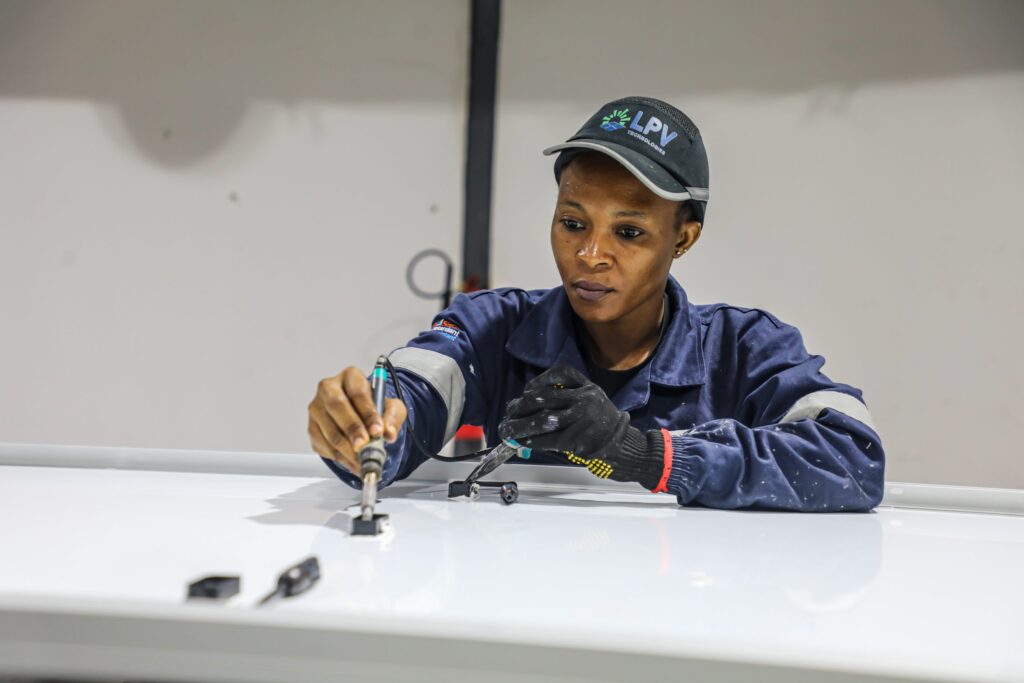
Establishing local manufacturing facilities presents significant logistical and financial challenges, particularly when competing with established global suppliers. Chief among these hurdles is the dominance of low-cost Chinese photovoltaic imports, which currently supply a vast share of the global market and make it difficult for nascent domestic producers to achieve competitive pricing.

For nations pursuing energy security through renewable sources, balancing the cost of imported hardware with the long-term economic benefits of local job creation remains a delicate policy challenge. Observers note that building a viable domestic supply chain will require targeted investment, reliable grid infrastructure, and sustained institutional backing to support small and medium-sized enterprises in the clean energy sector.


Share

Editor's Pick

Global Affairs

Why Europe Still Struggles to Coordinate Defence

European Defence Policy remains one of the most complex policy domains in international affairs, defined by a persistent puzzle: if European governments fundamentally...

Voices

Why Press Freedom Is an Early Warning Sign

Media Freedom often acts as an institutional barometer, shifting long before wider democratic checks and balances show visible signs of strain. When public...

Green Policy

Can Britain Compete in the Green Subsidy Race?

Green Industrial Policy has become the dominant battleground of modern economic strategy, reshaping how governments approach trade, manufacturing, and public expenditure. Across the...

Global Affairs

Where Human Rights Law Meets Democratic Politics

Human Rights Law forms the structural backbone of modern constitutional governance, intersecting constantly with democratic politics, parliamentary sovereignty, and the daily administration of...

Economic Affairs

Why Tariffs Are Back in Fashion

Trade protectionism has quietly returned to the centre of global economic policymaking, reshaping how governments think about borders, industries, and national security. For...

Society

How Ready Is Britain for Another Public Health Emergency?

Global Health Security requires an institutional readiness audit rather than a set of clinical recommendations or diagnostic guidelines. When Westminster and Whitehall evaluate...

Related Articles
Can Britain Compete in the Green Subsidy Race?
Green Policy

Can Britain Compete in the Green Subsidy Race?

Green Industrial Policy has become the dominant battleground of modern economic strategy,...

Carbon Markets Work Differently Than Their Critics — and Supporters — Suggest
Green Policy

Carbon Markets Work Differently Than Their Critics — and Supporters — Suggest

Carbon Markets remain one of the most misunderstood and politically polarized mechanisms...

How a COP Deal Is Actually Negotiated
Green Policy

How a COP Deal Is Actually Negotiated

COP Climate Summits operate as intricate diplomatic machinery where global climate policy...

The Hardest Part of the Energy Transition Is Political
Green Policy

The Hardest Part of the Energy Transition Is Political

Energy transition discussions often become bogged down in laboratory results, engineering timelines,...