
The UK Government formally apologised on 2 July 2026 for the state’s role in historic forced adoption practices in England, acknowledging the lasting harm caused to mothers, adopted people and their families.

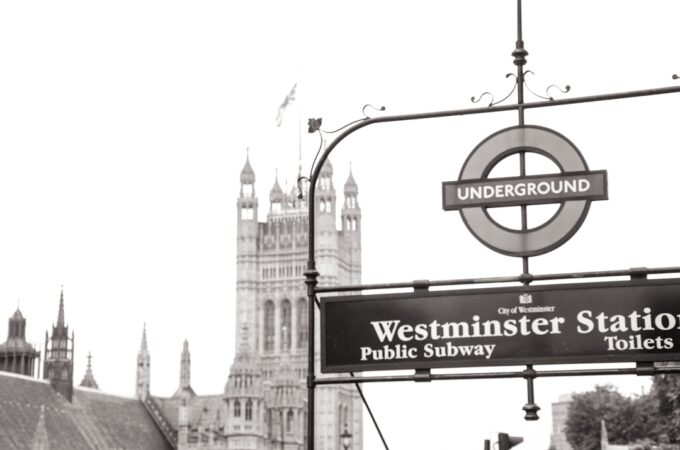
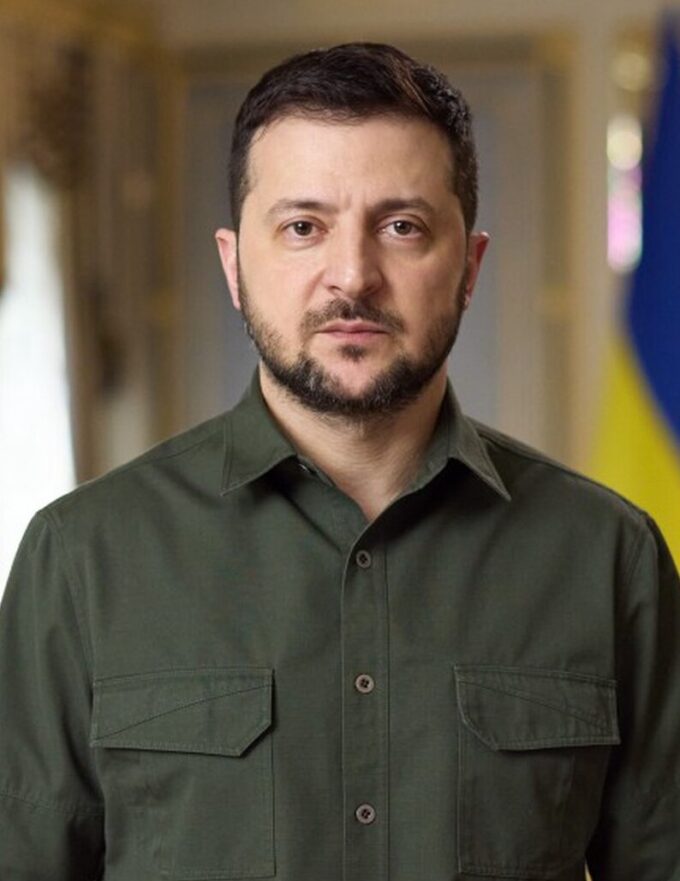
Prime Minister Keir Starmer delivered the apology in Parliament. The government said coercive practices were particularly associated with the period between 1949 and 1976 and recognised that state institutions failed to protect many women and children from harm.
What the apology acknowledged
Official estimates suggest around 185,000 mothers, adopted people and wider family members may have been affected. The apology recognised that many women were denied genuine choice, that consent was not always properly informed and that families have spent decades dealing with the consequences.
What happens after an apology
The announcement was accompanied by practical measures rather than being presented as an endpoint. These include improving access to adoption records, expanding support for family reconnection and strengthening appropriate health and counselling support.
The political question now shifts from whether the state should apologise to whether the promised support is delivered consistently. Parliament and campaigners will be able to judge progress through access to records, the quality of support services and the extent to which people with lived experience remain involved in implementation.