


The proliferation of residential battery storage systems is beginning to alter how national electricity networks manage demand. As home energy storage technology becomes more affordable and compact, an increasing number of households are choosing to store excess power generated from domestic solar panels rather than exporting it immediately to the grid.
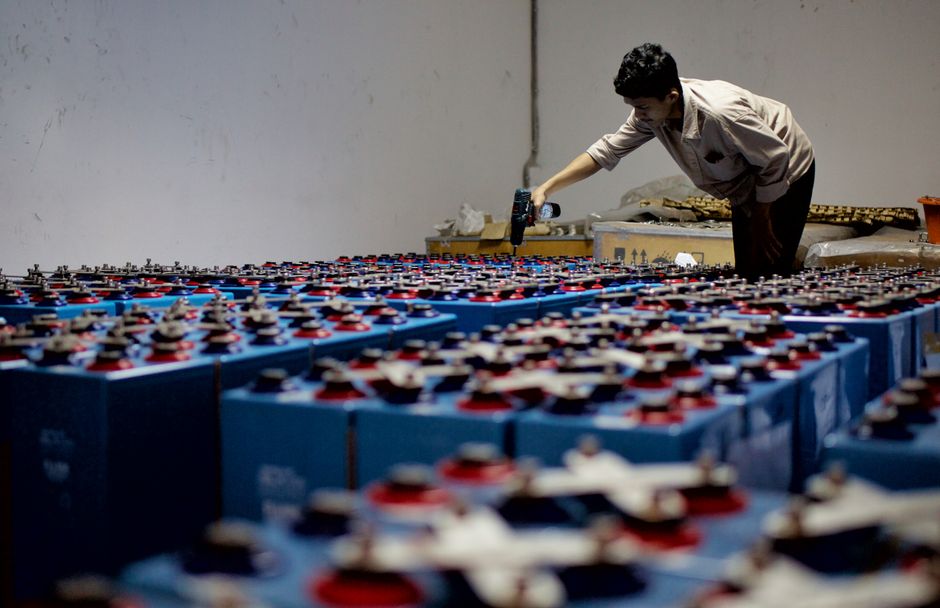
This shift has created a new resource for utility companies and grid operators. By aggregating the energy stored within these individual home units, energy providers can now tap into a “virtual power plant.” This allows companies to balance grid load more effectively, drawing on decentralized reserves during periods of peak demand to maintain system stability.
Integrating household power into the grid
The practical application of this technology marks a significant evolution in energy infrastructure. By bundling the energy capacity of thousands of homes, utilities can mitigate the intermittent nature of renewable sources like wind and solar. For the homeowner, this often translates into more efficient use of self-generated energy, while for the grid, it offers a necessary buffer against supply fluctuations.
This decentralised approach aligns with broader shifts in Net Zero policy, as the UK and other nations seek to modernise their energy networks. The ability to harness residential storage could reduce the necessity for large-scale, carbon-intensive standby power stations, which have historically been required to meet sudden spikes in electricity consumption.
However, the transition brings new complexities for local policymakers and regulators. As households take on a more active role in energy management, questions regarding grid access, standardisation, and the financial incentives for participating in these aggregation schemes remain central to the ongoing discussion around green homes policy. As the technology matures, the success of these initiatives will depend on creating a framework that balances the interests of individual energy consumers with the operational requirements of national energy distribution.