

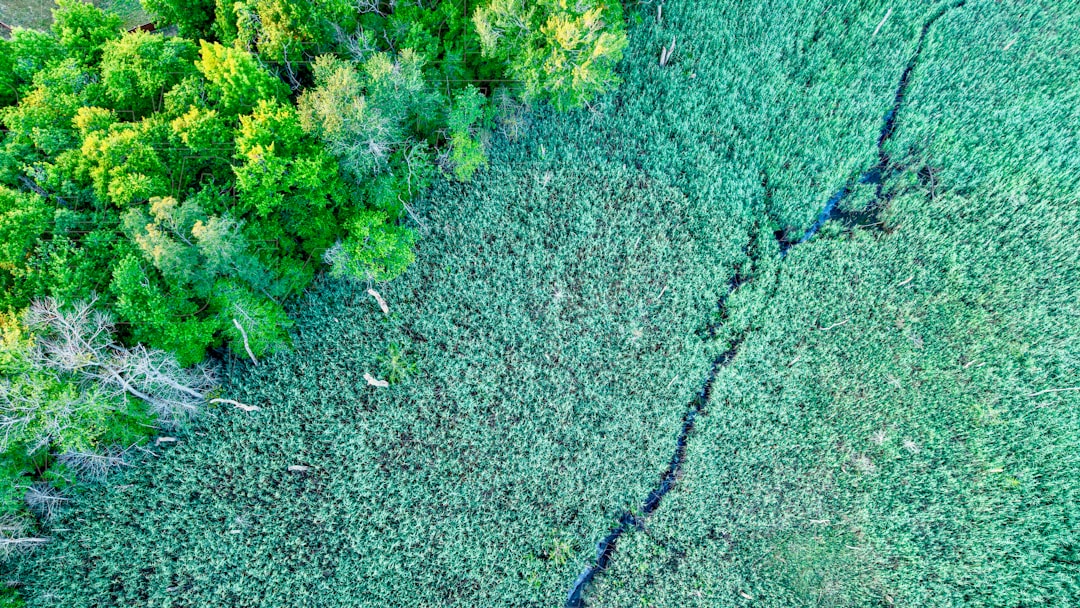
Green Belt policy exists primarily to limit urban sprawl by keeping designated land open. The political difficulty is that the same areas where development pressure is strongest are often those where housing costs are highest and land is most contested.
What Green Belt policy is for
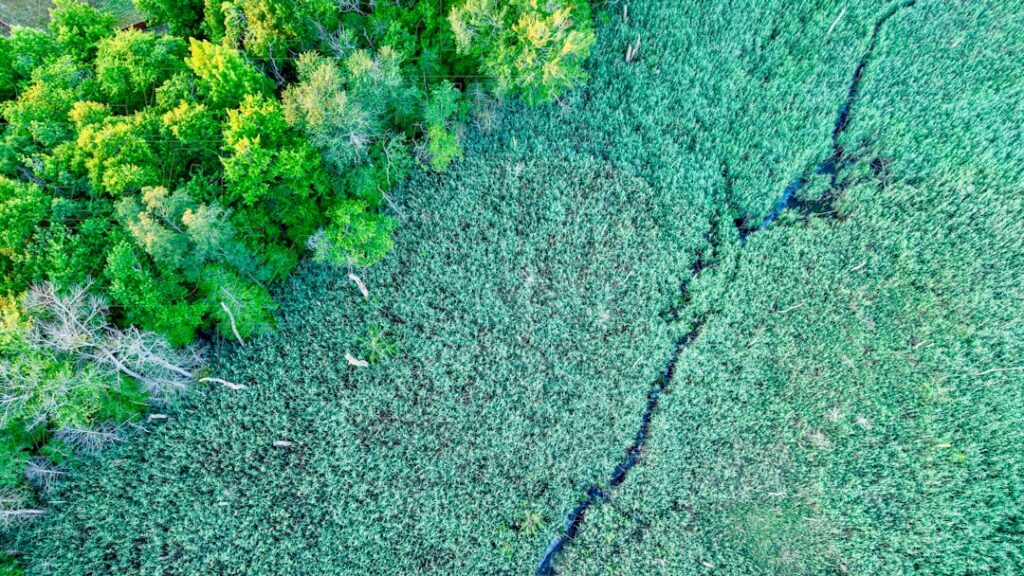
Green Belt designation is a planning tool, not a general label for land of high ecological value. Its core purpose is to contain urban expansion, preserve the separation of settlements and encourage the reuse of land within existing built-up areas.
Why housing pressure changes the debate
When councils struggle to identify enough viable sites for housing, pressure increases to reconsider land around towns and cities. Supporters of stronger protection argue that release can encourage sprawl and weaken long-term planning. Critics argue that treating all designated land as equally valuable can constrain housing supply in places where demand is highest.
The argument becomes more complicated because the quality and accessibility of Green Belt land varies widely. Some areas are intensively farmed or poorly connected to public transport; others provide valued open space, landscape separation or environmental benefits.
The real question is where development works
Releasing land is not enough on its own. New homes need transport, schools, healthcare, drainage and other infrastructure. Building far from jobs or public transport can also create new costs for households and councils.
That is why the Green Belt debate is ultimately a planning argument rather than a simple choice between housing and nature. The strongest policy test is whether development is directed to locations that can support homes, services and transport without creating avoidable long-term costs.