


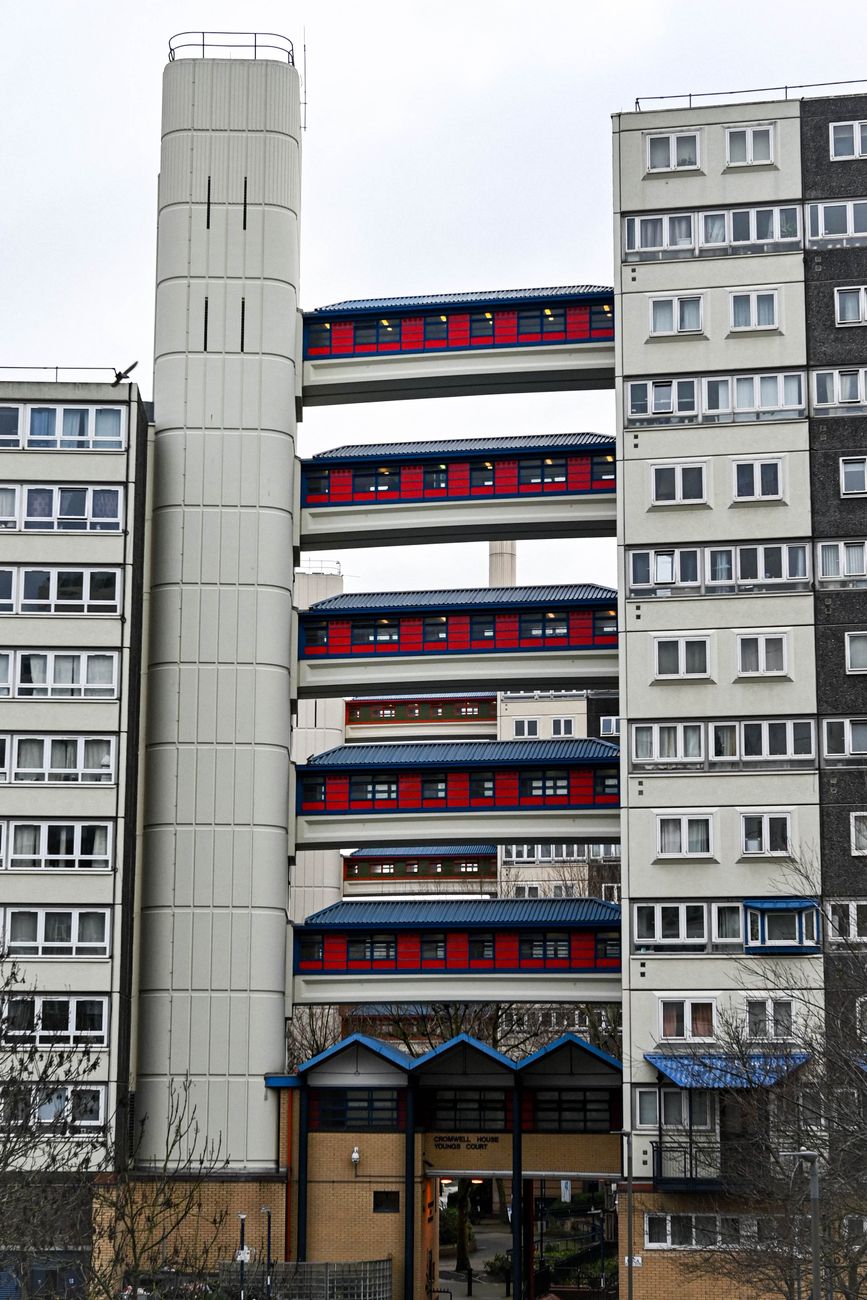
The government has confirmed the first major allocations from its £39 billion Social and Affordable Homes Programme, with London set to receive more than £7 billion in the initial wave as ministers seek to expand council and social housebuilding.
The Ministry of Housing, Communities and Local Government confirmed on 25 August that nearly £10 billion is being allocated in the first phase of the ten-year programme. Across England, the funding is expected to support more than 70,000 homes through long-term partnerships with councils, housing associations and other providers.
London is central to the first round. Independent reporting by Reuters said the capital will receive more than £7 billion, with local authorities expected to deliver the majority of the homes funded there. The scale reflects London’s acute affordability pressures and gives councils and City Hall a larger role in long-term housing delivery.
Why the London allocation matters
The programme places a strong emphasis on Social Rent, the most affordable mainstream tenure in the social housing system. Nationally, around 60% of homes supported by the programme are expected to be for Social Rent.
London already has a long-term framework in place. The Greater London Authority’s London Social and Affordable Homes Programme 2026–36 provides up to £11.7 billion for social and affordable housing, with funding available to local authorities, registered providers and other delivery partners. City Hall says Social Rent is a priority within the programme.
The political significance is not only the size of the settlement but also the direction of control. The government’s 25 August policy paper links the programme to deeper devolution, with more decisions over housing investment moving closer to local and mayoral authorities.
This approach also fits a wider argument about planning reform and local control. London Politics has previously examined why planning reform repeatedly collides with questions of local decision-making. The new housing settlement gives local bodies a more prominent role in delivery while central government retains the funding framework and national objectives.
Delivery will decide the political value
The scale of the funding does not remove the practical constraints facing the capital. London continues to face high land prices, construction costs, planning delays and infrastructure requirements, all of which can slow affordable housing delivery.
A London Assembly report published in July found that the previous Affordable Homes Programme 2021–26 delivered 14,335 affordable housing starts by March 2026 against a revised target of 17,800 to 19,000. The report also estimated that London needs 45,500 new affordable homes each year over the next decade.
The government has also announced additional support to strengthen councils’ housebuilding capacity, including planning, surveying and project-management skills. That reflects a practical problem behind the political ambition: many councils are being asked to increase direct delivery after decades in which their in-house development capacity declined.
Reuters described the first funding wave as a central part of Prime Minister Andy Burnham’s attempt to revive low-rent housebuilding and reduce the pressure created by temporary accommodation and high private rents.
The next test will be the pace of allocation and construction. London now has a larger and longer-term funding framework than under previous programmes, but the political case for the settlement will depend on whether councils and housing providers can convert that certainty into completed social and affordable homes.
Sources: UK Government; MHCLG policy paper; London City Hall; London Assembly; Reuters, 24 August 2026.