
Society

Why Mid-Term Prime Ministers Face a Different Test

Can Andy Burnham end the curse of the Prime Minister takeover?
Share

Andy Burnham’s arrival in Downing Street in July 2026 revived an old Westminster question: what changes when a prime minister takes office between general elections rather than immediately after winning one?
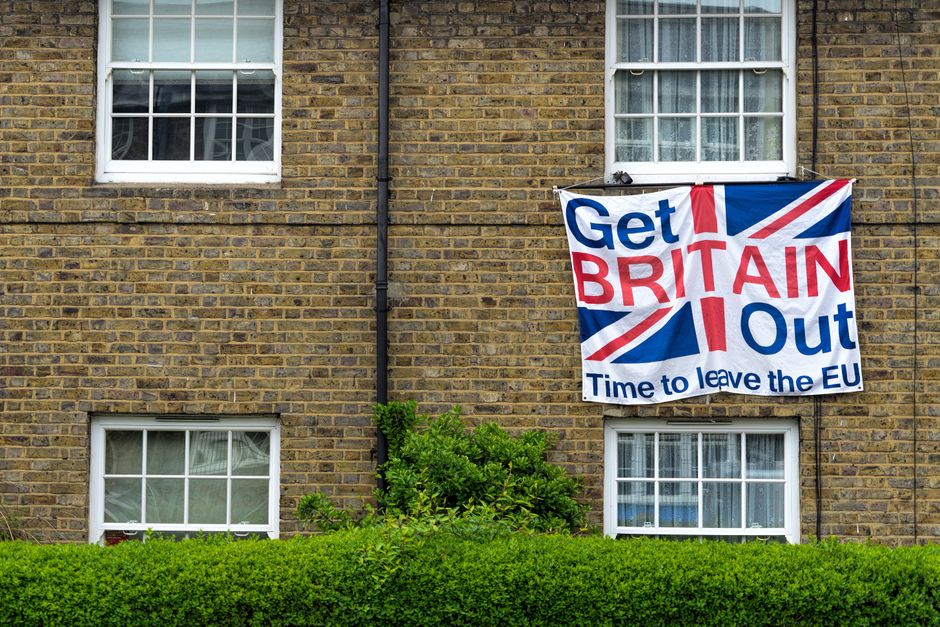
Andy Burnham and a mid-term change of prime minister

The parliamentary mandate remains

Britain elects a House of Commons rather than a prime minister directly. A governing party can therefore change leader without triggering an automatic general election, provided the new prime minister can command the confidence of the Commons.

The political mandate is more complicated

A new leader inherits the parliamentary majority and manifesto of the government already in office, but may also want to establish a different style or set of priorities. The tension is obvious: move too cautiously and the change can look cosmetic; move too far and critics may argue that the government is departing from the programme on which it was elected.

Inherited problems shape the first months

Mid-term prime ministers do not begin with a blank slate. Budgets, legislation, departmental plans and political controversies are already in motion. Their early performance is therefore judged partly on whether they can take control of an existing government rather than simply announce a new agenda.

Delivery matters more than symbolism

A change of leader can create a short period of political momentum, but durable authority depends on decisions that voters can identify and institutions can implement. The real test is whether a new prime minister can convert a leadership change into a coherent programme before the next general election.


Share

Editor's Pick

Green Policy

Why Paved Front Gardens Matter for Urban Heat

Front gardens may look like a small part of Britain’s climate debate, but collectively they occupy a large area of urban land. As...

Society

Why Planning Reform Keeps Clashing With Local Control

Planning reform repeatedly returns to the same political problem: Britain needs more homes and infrastructure, but development decisions are made in places where...

Global Affairs

Afghanistan’s Hunger Crisis Deepens as Aid Funding Shrinks

Afghanistan remains one of the world’s most severe food-security emergencies. The World Food Programme says millions of people require urgent food assistance, while...

Voices

How to Read Political News More Critically

Political news is rarely difficult because every report is biased or unreliable. It is difficult because facts, interpretation, selection and emphasis are often...

Economic Affairs

Where Britain’s Green Jobs Are Actually Emerging

Britain’s low-carbon transition is creating new work, but not evenly. Offshore wind, grid upgrades, retrofitting, electric transport and industrial decarbonisation all require workers,...

Society

How Britain Measures Poverty

Arguments about poverty in Britain often sound contradictory because different statistics are answering different questions. A headline may refer to relative low income,...

Related Articles
Planning Reform Puts Local Decision Making Under Strain
Society

Why Planning Reform Keeps Clashing With Local Control

Planning reform repeatedly returns to the same political problem: Britain needs more...

How Britain Measures Poverty
Society

How Britain Measures Poverty

Arguments about poverty in Britain often sound contradictory because different statistics are...

How Refugee Integration Works in British Local Services
Society

How Refugee Integration Works in British Local Services

Refugee integration in the UK depends on coordination between central government, local...

Rising Financial Hardship Across Britain
Society

Why Financial Hardship Remains a Political Problem

Financial hardship is often discussed through one headline figure, but household pressure...