


Green Policy

Why Paved Front Gardens Matter for Urban Heat

Weatherwatch: Paving over front gardens is leading to hotter nights
Share

Front gardens may look like a small part of Britain’s climate debate, but collectively they occupy a large area of urban land. As more of them are converted into parking spaces, the change affects not only neighbourhood character but also heat, drainage and the amount of vegetation available to cool built-up areas.
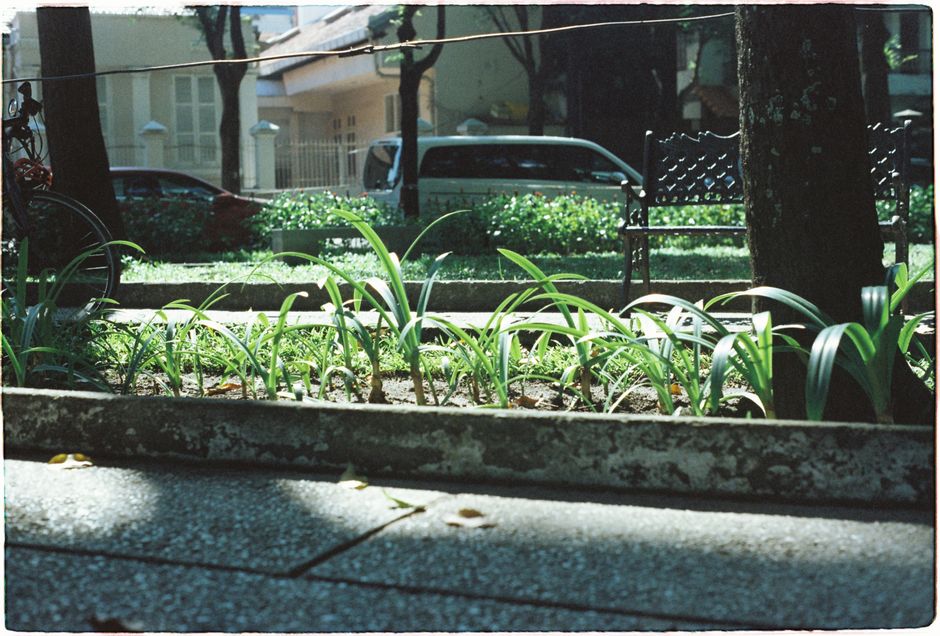
Paved front gardens and urban heat

Why hard surfaces stay warmer

Paving, brick and concrete absorb heat during the day and release it gradually after sunset. Vegetation behaves differently: plants provide shade and cool the surrounding air through evapotranspiration. The result is that replacing planted ground with hard surfaces can contribute to warmer night-time conditions during hot weather.

Royal Horticultural Society estimates cited in recent reporting suggest that the share of paved front gardens has risen sharply since the mid-2000s. Research also indicates that restoring grass and trees can produce measurable local cooling. The precise effect varies with street design, vegetation, building density and weather, so the issue is best understood as one element of the wider urban heat-island problem rather than a single solution.

There is also a drainage question

Impermeable surfaces can send rainwater rapidly into drains instead of allowing it to soak into soil. That matters as councils plan for heavier downpours and surface-water flooding. Permeable paving, planting strips, hedges and trees can preserve some parking while reducing the amount of sealed ground.

A small planning issue with cumulative effects

The politics is less about banning driveways than about how thousands of individual property decisions add up across a city. Local authorities must balance parking demand, accessibility and household choice with drainage, biodiversity and heat resilience. That makes front-garden design a useful example of how local climate adaptation often depends on ordinary planning decisions rather than one large infrastructure project.

For councils, the practical question is therefore how to encourage permeable surfaces and useful planting without imposing unrealistic requirements on households. Even modest interventions can help when they are repeated across entire neighbourhoods.

Read Royal Horticultural Society guidance on greener front gardens.

Share

Editor's Pick

Global Affairs

Why Europe Still Struggles to Coordinate Defence

European Defence Policy remains one of the most complex policy domains in international affairs, defined by a persistent puzzle: if European governments fundamentally...

Voices

Why Press Freedom Is an Early Warning Sign

Media Freedom often acts as an institutional barometer, shifting long before wider democratic checks and balances show visible signs of strain. When public...

Green Policy

Can Britain Compete in the Green Subsidy Race?

Green Industrial Policy has become the dominant battleground of modern economic strategy, reshaping how governments approach trade, manufacturing, and public expenditure. Across the...

Global Affairs

Where Human Rights Law Meets Democratic Politics

Human Rights Law forms the structural backbone of modern constitutional governance, intersecting constantly with democratic politics, parliamentary sovereignty, and the daily administration of...

Economic Affairs

Why Tariffs Are Back in Fashion

Trade protectionism has quietly returned to the centre of global economic policymaking, reshaping how governments think about borders, industries, and national security. For...

Society

How Ready Is Britain for Another Public Health Emergency?

Global Health Security requires an institutional readiness audit rather than a set of clinical recommendations or diagnostic guidelines. When Westminster and Whitehall evaluate...

Related Articles
Can Britain Compete in the Green Subsidy Race?
Green Policy

Can Britain Compete in the Green Subsidy Race?

Green Industrial Policy has become the dominant battleground of modern economic strategy,...

Carbon Markets Work Differently Than Their Critics — and Supporters — Suggest
Green Policy

Carbon Markets Work Differently Than Their Critics — and Supporters — Suggest

Carbon Markets remain one of the most misunderstood and politically polarized mechanisms...

How a COP Deal Is Actually Negotiated
Green Policy

How a COP Deal Is Actually Negotiated

COP Climate Summits operate as intricate diplomatic machinery where global climate policy...

The Hardest Part of the Energy Transition Is Political
Green Policy

The Hardest Part of the Energy Transition Is Political

Energy transition discussions often become bogged down in laboratory results, engineering timelines,...