
Society

How Social Media Changed British Political Communication

Social Media and Politics in British Public Life
Share

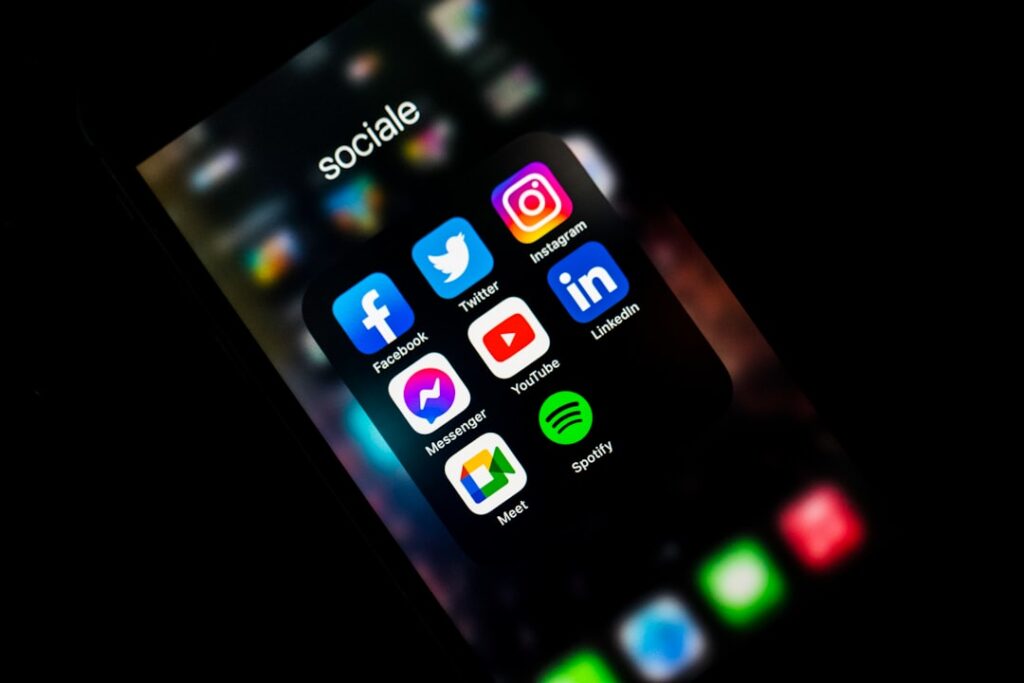
Social media has changed the speed, structure and tone of British political communication. Ministers, MPs, parties and campaigners can address voters directly, while citizens encounter political news alongside entertainment, advertising and personal content in the same feed.
Social media and British political communication

Politics without the old gatekeepers

Digital platforms allow political actors to bypass broadcasters and newspapers. That can make communication more immediate and widen participation, but it also reduces the role of editors who traditionally separated reporting, commentary and campaigning.

Attention becomes part of the political contest

Platforms reward material that attracts engagement. Short video, sharp claims and conflict can therefore travel further than detailed explanations of policy. The result is not that serious information disappears, but that it competes within an environment built around attention.

This also changes accountability. Politicians can respond to criticism immediately, but the pressure for constant reaction can encourage messaging before facts or policy details are settled.

The audience carries more responsibility

When reporting, opinion and political advertising appear side by side, readers need to pay more attention to sourcing and context. Media literacy therefore becomes part of democratic participation rather than simply a consumer skill.


Explore Ofcom’s research on news consumption in the UK.

Share

Editor's Pick

Green Policy

Why Paved Front Gardens Matter for Urban Heat

Front gardens may look like a small part of Britain’s climate debate, but collectively they occupy a large area of urban land. As...

Society

Why Planning Reform Keeps Clashing With Local Control

Planning reform repeatedly returns to the same political problem: Britain needs more homes and infrastructure, but development decisions are made in places where...

Global Affairs

Afghanistan’s Hunger Crisis Deepens as Aid Funding Shrinks

Afghanistan remains one of the world’s most severe food-security emergencies. The World Food Programme says millions of people require urgent food assistance, while...

Voices

How to Read Political News More Critically

Political news is rarely difficult because every report is biased or unreliable. It is difficult because facts, interpretation, selection and emphasis are often...

Economic Affairs

Where Britain’s Green Jobs Are Actually Emerging

Britain’s low-carbon transition is creating new work, but not evenly. Offshore wind, grid upgrades, retrofitting, electric transport and industrial decarbonisation all require workers,...

Society

How Britain Measures Poverty

Arguments about poverty in Britain often sound contradictory because different statistics are answering different questions. A headline may refer to relative low income,...

Related Articles
Planning Reform Puts Local Decision Making Under Strain
Society

Why Planning Reform Keeps Clashing With Local Control

Planning reform repeatedly returns to the same political problem: Britain needs more...

How Britain Measures Poverty
Society

How Britain Measures Poverty

Arguments about poverty in Britain often sound contradictory because different statistics are...

How Refugee Integration Works in British Local Services
Society

How Refugee Integration Works in British Local Services

Refugee integration in the UK depends on coordination between central government, local...

Rising Financial Hardship Across Britain
Society

Why Financial Hardship Remains a Political Problem

Financial hardship is often discussed through one headline figure, but household pressure...