
Opposition is built into the Westminster system. Its purpose is not simply to criticise the government of the day, but to test decisions, expose weaknesses in legislation and offer voters a credible alternative.
Scrutiny happens in more places than PMQs
Prime Minister’s Questions attracts the most attention, but much of the opposition’s substantive work happens elsewhere. MPs question ministers, debate bills, propose amendments, use Opposition Days and take part in select committees that examine policy and administration in detail.
The Official Opposition also maintains a Shadow Cabinet. Shadow ministers follow specific departments, challenge government decisions and develop alternative policies. That gives the public a clearer sense of how another administration might govern.
Opposition does not control Parliament
A government with a stable Commons majority can usually pass its main programme. Opposition influence therefore often comes through political pressure, detailed scrutiny, committee work and the ability to expose weaknesses that persuade ministers or government MPs to change course.
This is why effective opposition is not measured only by whether it defeats the government in a vote. It can also improve legislation, force disclosure, shape media and public debate, and make ministers explain decisions they might otherwise prefer to leave unexamined.
The tension between scrutiny and campaigning
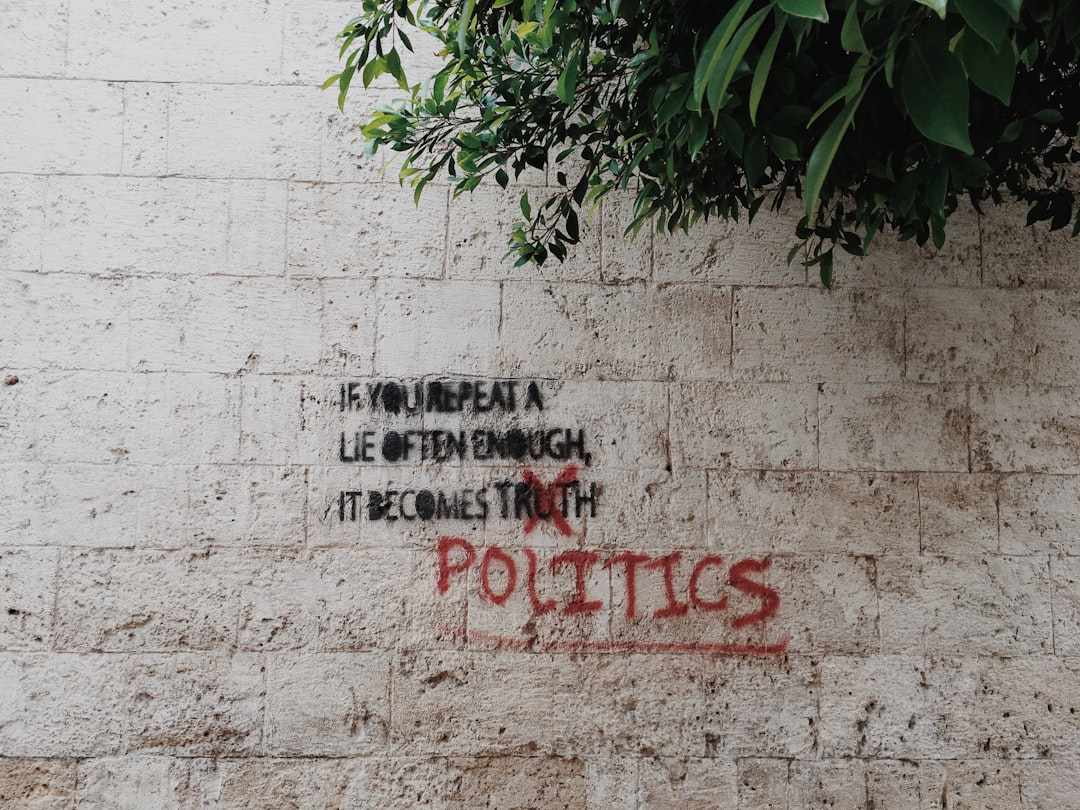
Opposition parties have two jobs that do not always sit comfortably together. They must scrutinise the government in the public interest while also trying to replace it. That creates incentives for both careful policy work and short-term political theatre.
The strongest opposition work separates those functions. It challenges weak evidence, identifies administrative problems and proposes workable alternatives rather than treating every issue as an opportunity for a slogan.
Why it matters for democratic accountability
Westminster gives substantial power to the executive, particularly when the government has a large majority. A capable opposition helps ensure that this power is continuously contested in public. It does not replace parliamentary committees, courts, regulators or the media, but it is one of the main political mechanisms through which ministers are required to defend their choices.
That role becomes most valuable when scrutiny remains serious even when politics is adversarial. The point of opposition is not to prevent government from governing. It is to make government explain itself.
Read the UK Parliament explainer on the Official Opposition.