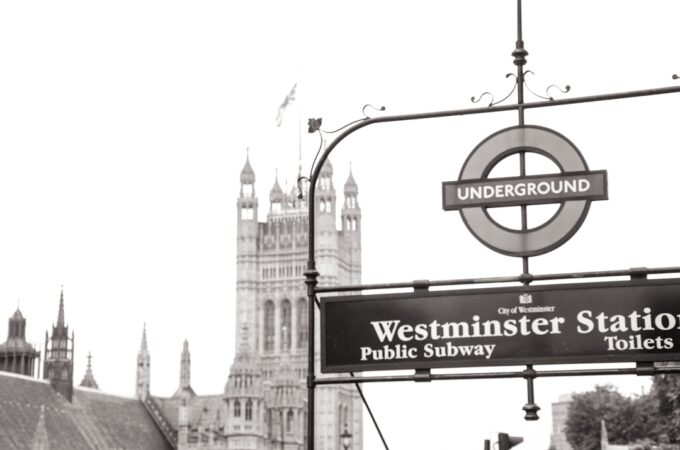


Britain’s permanent civil service is expected to serve the elected government of the day regardless of party. That sounds simple, but it creates a demanding institutional role: officials must help ministers deliver political priorities while remaining impartial, professional and ready to serve a different administration after an election.
Impartial does not mean apolitical
Civil servants work on political decisions every day. They prepare options, analyse evidence, implement legislation and manage public programmes. Neutrality means that this work should not become party-political campaigning or personal opposition to the elected government.
The Civil Service Code centres the role on integrity, honesty, objectivity and impartiality. Those principles are meant to protect both ministers and the public: ministers should be able to receive candid advice, while citizens should expect administrative decisions to be made according to law and published rules rather than party loyalty.
Where tension enters the system
Friction is inevitable when ministers want rapid change and officials warn about legal, financial or operational risks. A professional civil service should not block a lawful policy simply because officials dislike it. Equally, ministers benefit from advice that identifies problems before they become public failures.
The distinction between advice and decision is therefore crucial. Officials advise and implement; ministers decide and remain politically accountable to Parliament.
Why continuity matters
Governments change more quickly than many public programmes. Tax systems, major infrastructure, defence procurement and social-security administration all require institutional memory that survives individual ministers. A politically neutral permanent service provides that continuity.
The strongest case for neutrality is therefore practical as well as constitutional. It gives an incoming government an administrative machine that can begin carrying out a new mandate without rebuilding the state around a new party each time power changes hands.