
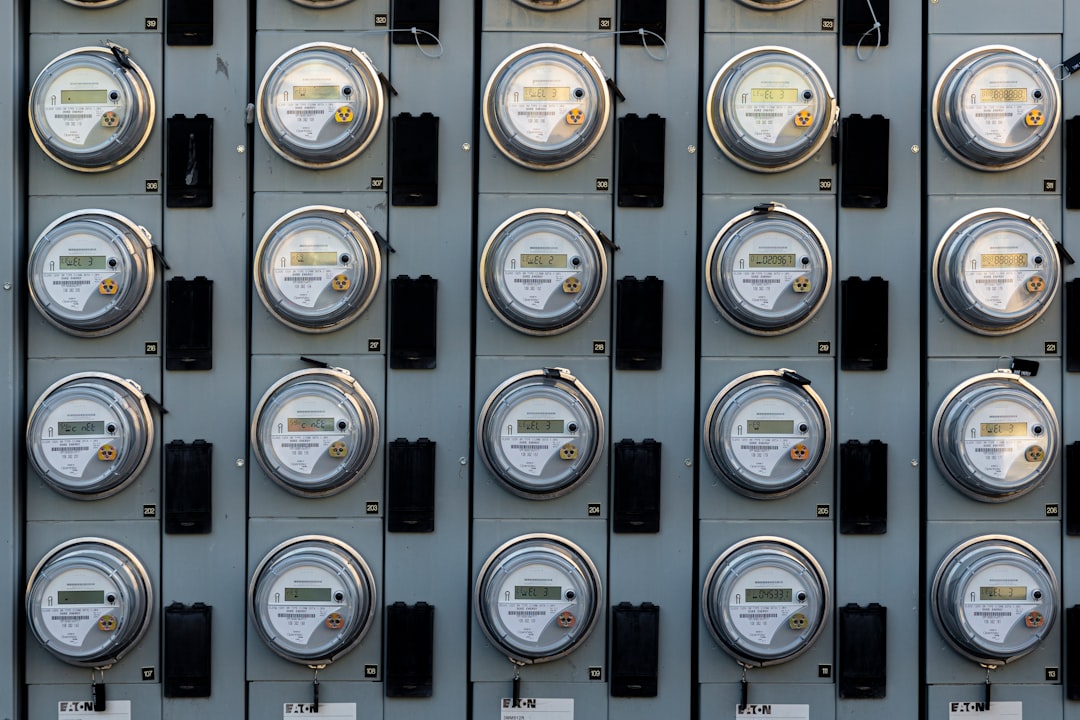
Household energy bills are political because they sit at the intersection of global markets, domestic regulation and public expectations about basic living costs. Governments cannot control every component of a bill, but voters still judge them on affordability.
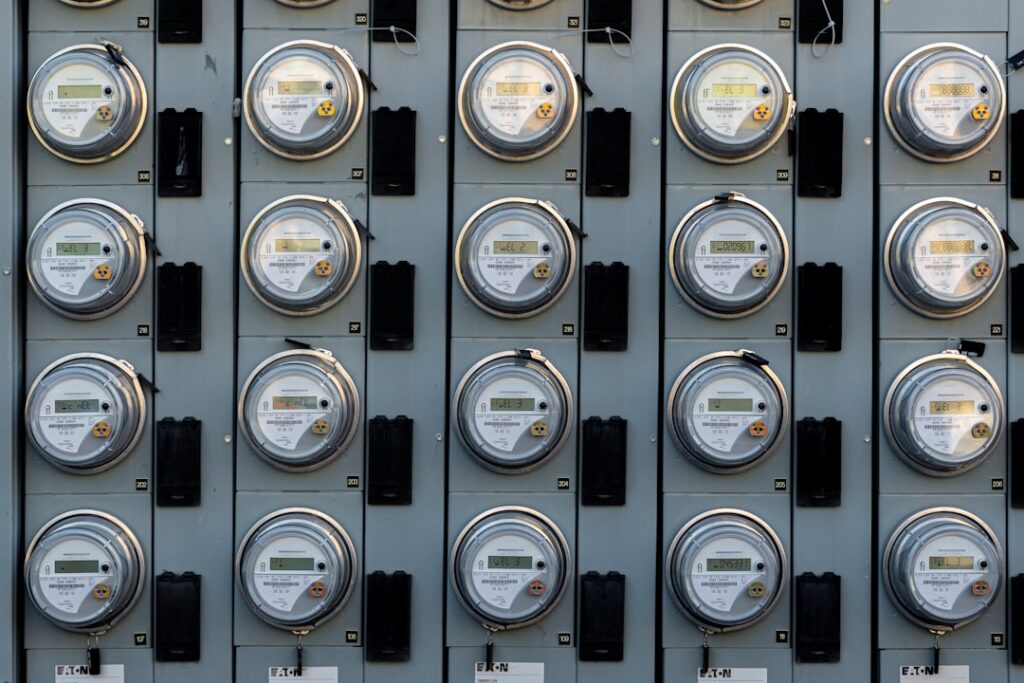
The price cap does not freeze prices
Ofgem’s price cap limits what suppliers can charge under standard variable tariffs, but it moves in response to underlying costs. Wholesale energy, network charges, policy costs and supplier operating expenses all feed into the calculation.
Short-term support and long-term investment pull in different directions
Governments can reduce immediate pressure through targeted support, tax changes or wider subsidies. At the same time, the system needs investment in grids, generation, storage and efficiency. Keeping bills low today while financing infrastructure for tomorrow creates an unavoidable political trade-off.
Energy security affects affordability
Exposure to international gas and electricity markets can transmit overseas shocks into British bills. More domestic generation and flexibility can reduce some risks, but no energy system is completely insulated from global prices or financing costs.
The debate is therefore not only about whether bills should be lower. It is about who pays for protection against volatility, infrastructure upgrades and the transition to a different energy system.