


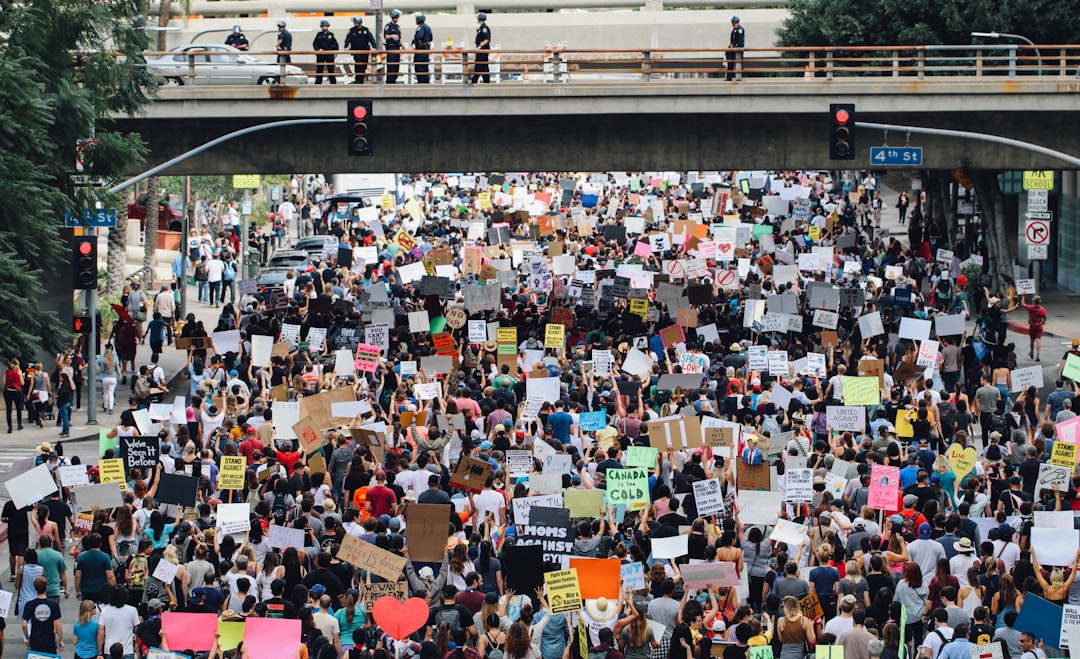
Protest rights in Britain sit inside a permanent democratic tension. Demonstrations are meant to be visible, disruptive enough to attract attention and capable of challenging those in power. At the same time, the state has powers to protect public safety, access to roads and essential services.
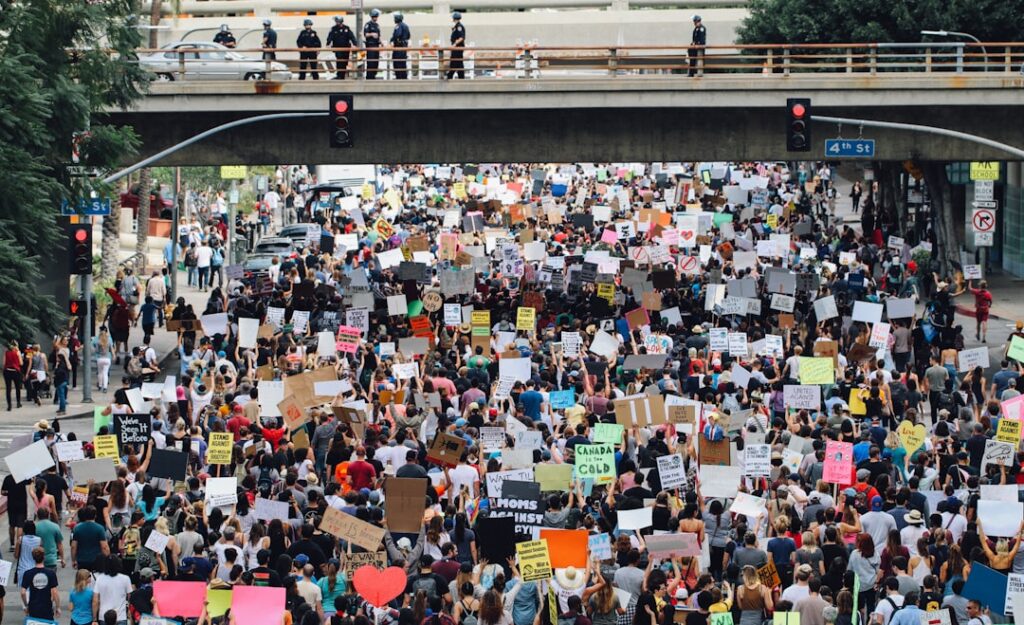
The right to protest is not unlimited
Freedom of expression and peaceful assembly are protected in UK law, but Parliament has also given police powers to impose conditions on marches and assemblies in defined circumstances. The difficult questions are usually not whether protest should be permitted at all, but when disruption becomes serious enough to justify intervention and whether the response is proportionate.
Why policing decisions attract scrutiny
Public-order policing often requires decisions to be made quickly. Officers may need to weigh traffic disruption, risks to people or property, the behaviour of a small number of participants and the rights of the wider group. Restrictions that appear reasonable to one side can look like an attempt to neutralise a protest to the other.
This is why clarity matters. Conditions should have a legal basis, be linked to the specific risk and go no further than necessary. Courts and independent scrutiny provide an important check when those judgements are challenged.
Disruption is part of the argument
Many modern protest tactics deliberately use disruption to force an issue into public view. That creates a genuine policy conflict: if disruption is removed entirely, some protests lose their effect; if disruption is unlimited, the rights and safety of others may be affected.
A democratic system therefore has to manage disagreement rather than eliminate it. The strongest test of protest law is whether peaceful dissent remains practically possible while public-order powers remain predictable, reviewable and proportionate.