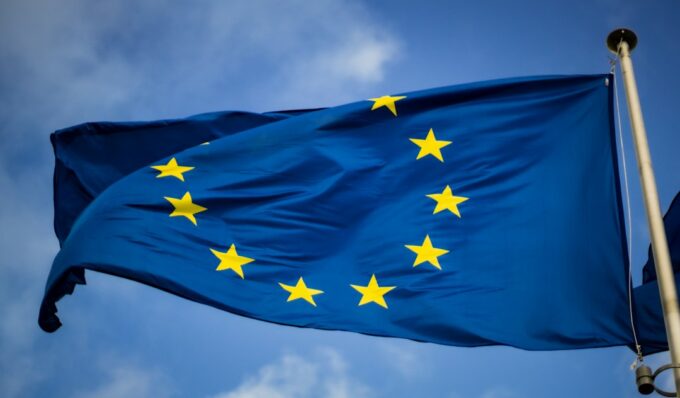


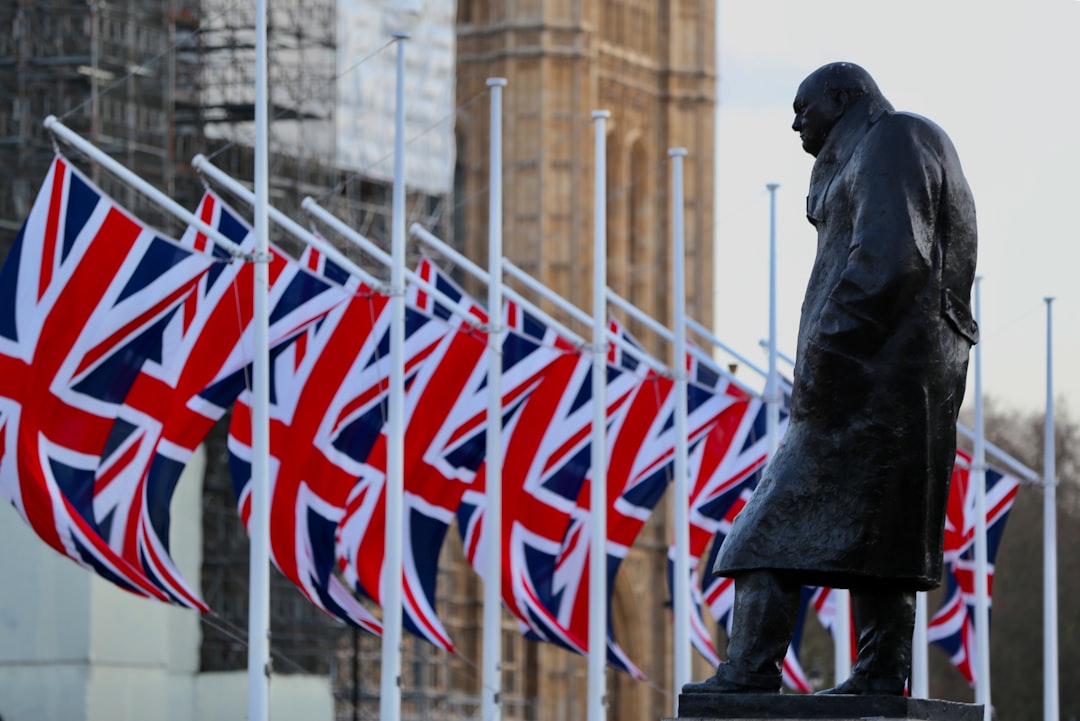
The G7 matters to British foreign policy because it brings a small group of major advanced economies together for rapid political coordination. It is not a treaty organisation and it cannot compel members to act, but it can align positions before decisions move into larger institutions or national governments.
Coordination is the main value
The G7 is most useful when governments want to move in roughly the same direction on sanctions, financial regulation, economic security, support for allies or major international crises. A joint communiqué has no automatic legal force, but coordinated action by several large economies can still have significant practical effects.
Britain gains access, not control
For the UK, membership guarantees direct access to leaders and senior officials from the United States, Canada, France, Germany, Italy and Japan, alongside the European Union. That creates opportunities to shape language, build coalitions and connect British priorities with wider initiatives.
It does not guarantee that British proposals will prevail. Members frequently disagree on trade, industrial subsidies, climate policy and how strongly to respond to geopolitical crises. The forum works through negotiation rather than hierarchy.
Domestic politics follows leaders into the room
G7 leaders negotiate internationally while remaining accountable to voters at home. Positions on aid, sanctions, energy, defence and trade are therefore constrained by domestic budgets and political coalitions. That helps explain why summit declarations can be ambitious while implementation remains uneven.
The G7 is one tool among several
The G7 does not replace NATO, the United Nations, the G20, the World Trade Organization or bilateral diplomacy. Its advantage is speed and political concentration: seven governments can often agree on a common direction more easily than a much larger multilateral body.
For Britain, the test is therefore not whether a summit produces dramatic headlines. It is whether the relationships and agreements formed there change policy afterwards.