

Westminster

How Parliament Scrutinises the Government

Parliamentary Scrutiny and Westminster Accountability
Share

Parliamentary scrutiny is the set of mechanisms through which MPs and peers question ministers, examine policy and test how public money is being used. It is one of the main ways the legislature checks executive power between elections.
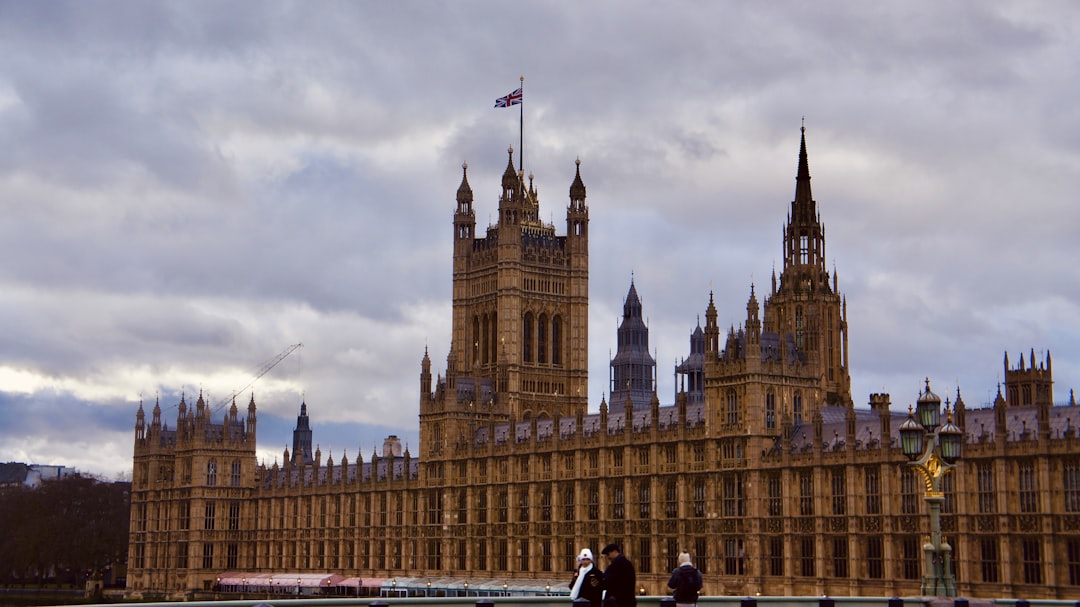
Parliamentary scrutiny at Westminster

Select committees

House of Commons select committees examine the work of government departments. They can call ministers, officials and outside experts to give evidence, investigate spending and administration, and publish reports with recommendations.

Their recommendations are usually not binding, but departments are expected to respond. Cross-party membership can also give committee findings more weight than ordinary partisan exchanges in the chamber.

Questions and debates

Oral and written parliamentary questions put government answers on the public record. Debates, urgent questions and bill stages provide further opportunities to challenge policy decisions and expose weaknesses in implementation.

Scrutiny has limits

A government with a strong Commons majority can usually pass its core legislation. Scrutiny does not remove executive power, but it can force disclosure, improve policy design and raise the political cost of weak performance.


Read UK Parliament’s guide to select committees.

Share

Editor's Pick

Global Affairs

Why Europe Still Struggles to Coordinate Defence

European Defence Policy remains one of the most complex policy domains in international affairs, defined by a persistent puzzle: if European governments fundamentally...

Voices

Why Press Freedom Is an Early Warning Sign

Media Freedom often acts as an institutional barometer, shifting long before wider democratic checks and balances show visible signs of strain. When public...

Green Policy

Can Britain Compete in the Green Subsidy Race?

Green Industrial Policy has become the dominant battleground of modern economic strategy, reshaping how governments approach trade, manufacturing, and public expenditure. Across the...

Global Affairs

Where Human Rights Law Meets Democratic Politics

Human Rights Law forms the structural backbone of modern constitutional governance, intersecting constantly with democratic politics, parliamentary sovereignty, and the daily administration of...

Economic Affairs

Why Tariffs Are Back in Fashion

Trade protectionism has quietly returned to the centre of global economic policymaking, reshaping how governments think about borders, industries, and national security. For...

Society

How Ready Is Britain for Another Public Health Emergency?

Global Health Security requires an institutional readiness audit rather than a set of clinical recommendations or diagnostic guidelines. When Westminster and Whitehall evaluate...

Related Articles
Who Gets Appointed to Britain's Public Bodies
Westminster

How Britain Appoints People to Public Bodies

Britain’s public bodies are led by people who are often appointed rather...

BP puts North Sea business up for sale
Westminster

BP Puts North Sea Business Up for Sale

BP has launched a process to sell its North Sea oil and...

Ministerial Responsibility and Westminster Accountability
Westminster

What Ministerial Responsibility Actually Requires

Ministerial responsibility is one of the central conventions of the Westminster system,...

Zelensky arrives in UK ahead of meeting Burnham
Westminster

Zelenskyy Meets Burnham on First UK Visit of New Premiership

Zelenskyy and Burnham discuss defence cooperation Ukrainian President Volodymyr Zelenskyy met Prime...