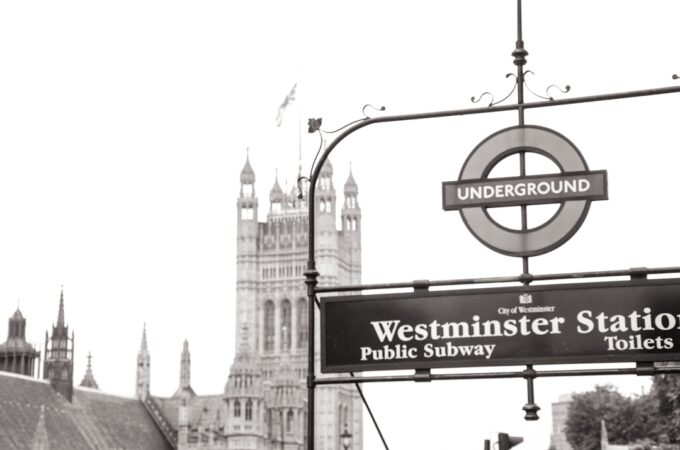

Devolution changed the UK from a highly centralised state into a system where important powers are exercised by different legislatures and governments. Scotland, Wales and Northern Ireland each have distinct arrangements, while Westminster retains responsibility for reserved matters such as defence and foreign policy.
Devolved and reserved powers
Health, education, transport and local government are among the areas where devolved institutions can make substantially different choices. That is why public services and regulations can vary across the four nations even when they sit within the same state.
Reserved powers remain with the UK Parliament and Government. The exact boundary differs between Scotland, Wales and Northern Ireland, so devolution is not a single uniform settlement.
Why disputes emerge
Political tension often appears where responsibilities overlap or funding depends on decisions taken at another level of government. Citizens can also find accountability harder to follow when one institution controls policy while another controls part of the budget or legal framework.
Northern Ireland adds a further constitutional dimension because its institutions are rooted in the Good Friday Agreement and power-sharing arrangements.
Devolution therefore brings decision-making closer to different parts of the UK, but it also creates a continuing need for negotiation over money, legal authority and political responsibility.