

Global Affairs

What UK Sanctions Can — and Cannot — Do

UK Sanctions Policy and Global Pressure
Share

Sanctions give the UK Government a way to apply economic and legal pressure without using military force. They can freeze assets, restrict travel, limit trade and block access to financial services, but their political effect depends heavily on how precisely they are designed and enforced.
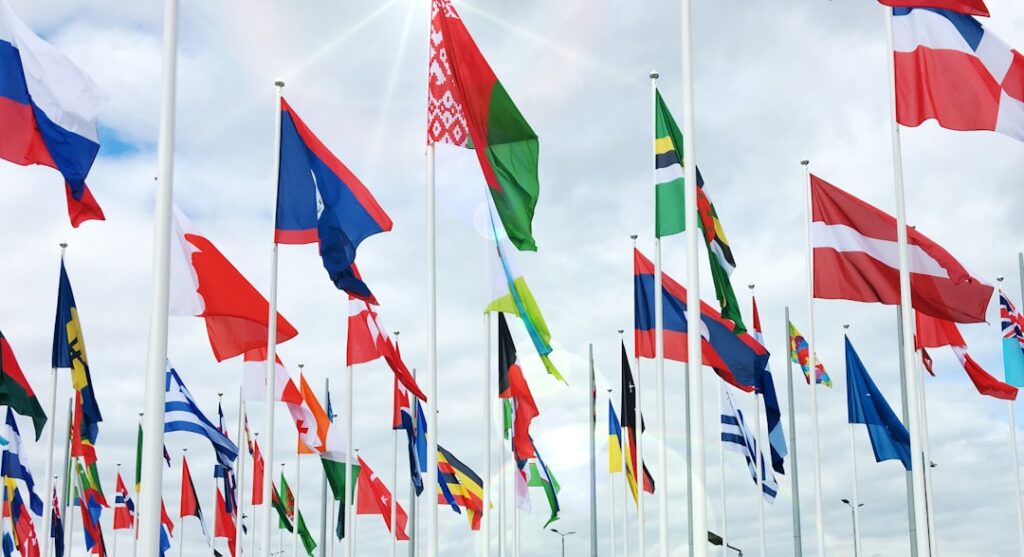
UK sanctions policy and international pressure

What sanctions are meant to achieve

Sanctions can seek to change behaviour, constrain access to resources or signal condemnation. Those objectives are not identical. A measure designed to disrupt financing may be effective even if it does not persuade a government to reverse its wider policy.

Why enforcement matters

London’s role in global finance gives British restrictions international reach, but it also creates a large compliance burden. Banks, law firms and companies must identify designated individuals and entities, monitor transactions and avoid prohibited activity.

Coordination with allies can increase pressure by reducing opportunities to move assets or trade through alternative jurisdictions. At the same time, poorly targeted measures can create unintended humanitarian or commercial costs.

Success is rarely absolute

Sanctions are often judged too simply as either working or failing. A better assessment asks whether they constrained specific activity, raised costs, protected the integrity of the UK financial system or supported a broader diplomatic strategy. Clear objectives make that scrutiny possible.


Read the UK Government’s sanctions guidance.

Share

Editor's Pick

Green Policy

Why Paved Front Gardens Matter for Urban Heat

Front gardens may look like a small part of Britain’s climate debate, but collectively they occupy a large area of urban land. As...

Society

Why Planning Reform Keeps Clashing With Local Control

Planning reform repeatedly returns to the same political problem: Britain needs more homes and infrastructure, but development decisions are made in places where...

Global Affairs

Afghanistan’s Hunger Crisis Deepens as Aid Funding Shrinks

Afghanistan remains one of the world’s most severe food-security emergencies. The World Food Programme says millions of people require urgent food assistance, while...

Voices

How to Read Political News More Critically

Political news is rarely difficult because every report is biased or unreliable. It is difficult because facts, interpretation, selection and emphasis are often...

Economic Affairs

Where Britain’s Green Jobs Are Actually Emerging

Britain’s low-carbon transition is creating new work, but not evenly. Offshore wind, grid upgrades, retrofitting, electric transport and industrial decarbonisation all require workers,...

Society

How Britain Measures Poverty

Arguments about poverty in Britain often sound contradictory because different statistics are answering different questions. A headline may refer to relative low income,...

Related Articles
Afghanistan hunger crisis intensifies as millions left without food aid
Global Affairs

Afghanistan’s Hunger Crisis Deepens as Aid Funding Shrinks

Afghanistan remains one of the world’s most severe food-security emergencies. The World...

What the Commonwealth Still Means for British Diplomacy
Global Affairs

What the Commonwealth Still Offers British Diplomacy

The Commonwealth is easy to describe either too grandly or too dismissively....

G7 Summit Politics and British Foreign Policy
Global Affairs

What Britain Actually Gets from the G7

The G7 matters to British foreign policy because it brings a small...

NATO and the UK in Global Security Policy
Global Affairs

What NATO Membership Means for Britain

NATO membership gives Britain something it could not reproduce alone: a standing...