

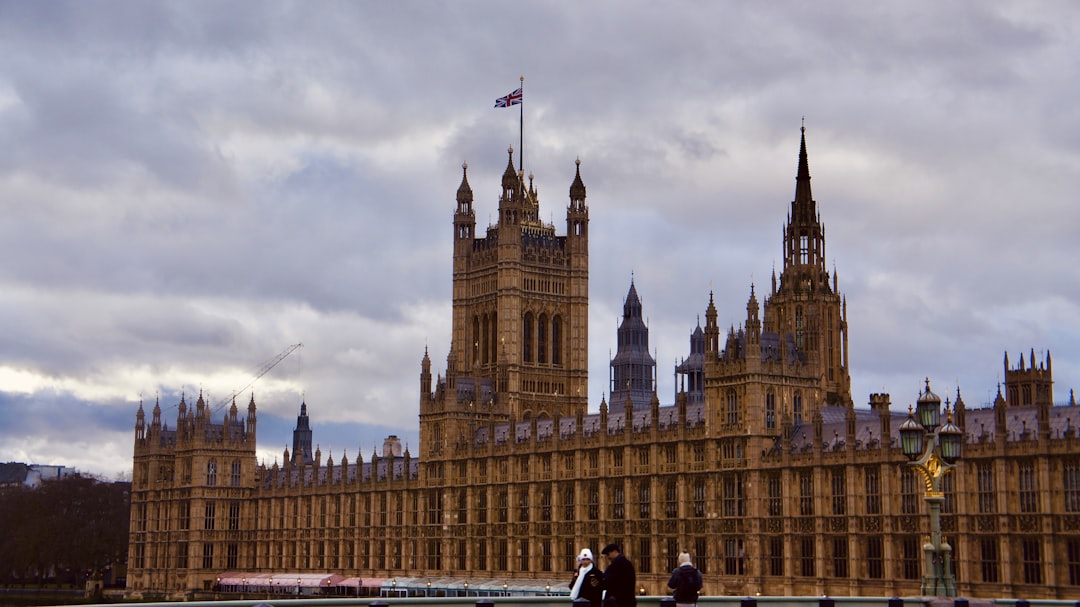
Parliamentary scrutiny is the set of mechanisms through which MPs and peers question ministers, examine policy and test how public money is being used. It is one of the main ways the legislature checks executive power between elections.
Select committees
House of Commons select committees examine the work of government departments. They can call ministers, officials and outside experts to give evidence, investigate spending and administration, and publish reports with recommendations.
Their recommendations are usually not binding, but departments are expected to respond. Cross-party membership can also give committee findings more weight than ordinary partisan exchanges in the chamber.
Questions and debates
Oral and written parliamentary questions put government answers on the public record. Debates, urgent questions and bill stages provide further opportunities to challenge policy decisions and expose weaknesses in implementation.
Scrutiny has limits
A government with a strong Commons majority can usually pass its core legislation. Scrutiny does not remove executive power, but it can force disclosure, improve policy design and raise the political cost of weak performance.