

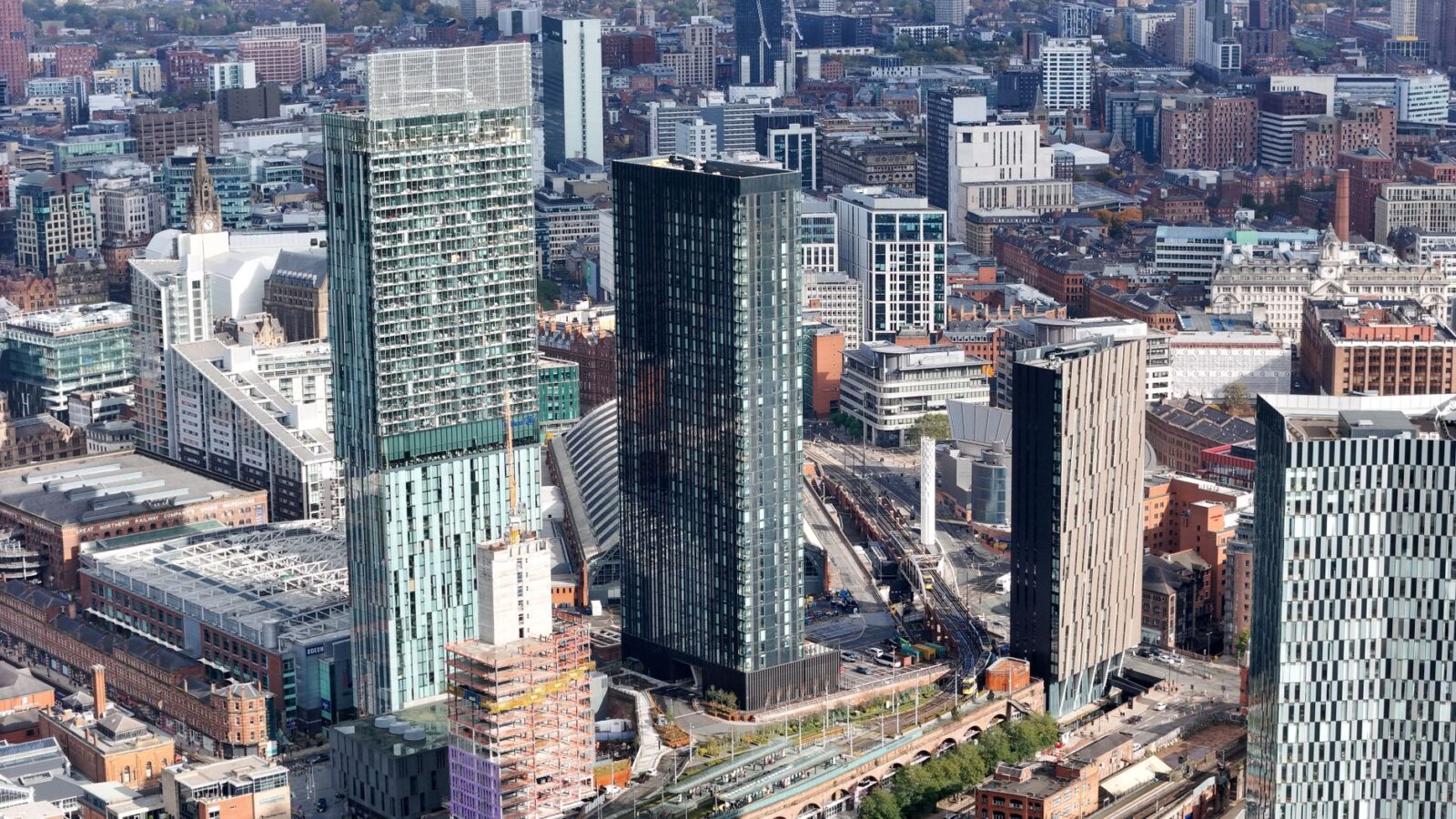
Prime Minister Andy Burnham has put fresh emphasis on No10 North’s role in economic policy, describing the Manchester-based government hub as part of a substantial transfer of power away from Whitehall and towards a more regionally focused model of government.
In an interview reported by Reuters on 18 August, Burnham said No10 North would take responsibility for economic growth from the Treasury as the government develops its wider programme of devolution and administrative reform. The comments do not arrive in isolation: the government’s own machinery-of-government changes already place local economic growth policy from HM Treasury, alongside local growth and devolution strategy, within the No10 North structure.
The distinction matters because the change is more than a second prime ministerial office outside London. It is intended to bring policy design, regional leadership and parts of the machinery responsible for economic growth into the same institutional centre.
From Regional Office to Growth Policy Centre
No10 North opened in Manchester in July, with the government describing it as a “situation room” for growth and devolution. The formal machinery-of-government fact sheet states that local economic growth policy is moving from the Treasury, while local economic growth and devolution strategy is moving from the Ministry of Housing, Communities and Local Government.
That structure gives the Manchester operation a direct role in areas that have traditionally been managed through Whitehall departments. Burnham told The Times, in comments reported by Reuters, that the shift represented a major transfer of power and said the aim was to overcome the long-standing concentration of economic decision-making in London.
The government has also revived the National Economic Council, bringing ministers and regional mayors together around questions of growth and delivery. When No10 North opened, ministers said the intention was to align government departments, combined authorities, mayors and business around a single economic plan rather than separate institutional priorities.
That approach is consistent with the government’s earlier description of No10 North as the place where Whitehall would meet regional leadership. It also develops a theme Burnham used before and immediately after entering Downing Street: that economic growth and devolution should be treated as connected questions rather than separate policy agendas.
What Changes for the Treasury
The new arrangement does not remove the Treasury from economic policy. The department will still control central fiscal functions, including taxation, public spending and the Budget process. The more specific change concerns responsibility for local economic growth policy and the way regional priorities are fed into the centre of government.
Burnham said Chancellor John Healey supports the approach and is expected to set out more of the government’s economic strategy in a speech next month. Reuters also reported that a broader ten-year programme of economic and constitutional reform is expected after the government’s first Budget, scheduled for 28 October.
This creates an important institutional test. Moving responsibility on paper is relatively straightforward; the political significance will depend on whether mayors and local leaders gain a faster route to decisions on investment, infrastructure and regional economic priorities.
A July analysis from the London Datastore noted that the most consequential fiscal questions were still being developed, including a proposed fiscal devolution roadmap expected alongside the autumn Budget. For London, that makes the reforms relevant even though the new hub is based in Manchester: changes to how revenue, investment and growth powers are distributed could reshape the relationship between central government and all mayoral authorities.
A Wider Rewiring of Central Government
The No10 North changes form part of a broader reorganisation at the centre of government. The Office for the Prime Minister and the Cabinet now houses No10, No10 North and core Cabinet Office functions, while other strategic responsibilities are being reorganised around the new structure.
Burnham has presented the model as a way to reduce the distance between national decision-makers and regional institutions. Critics will ultimately judge it on delivery rather than geography: shifting offices and reporting lines will matter only if they alter how quickly policy decisions are made and how effectively local economic priorities are reflected in national government.
For now, the 18 August comments reinforce what the formal government changes had already signalled: No10 North is being built as an economic policy institution, not simply as a symbolic northern outpost of Downing Street.
Sources: Cabinet Office: Machinery of Government changes; Prime Minister’s Office: No10 North opens; Reuters, 18 August 2026; London Datastore: London’s Economy Today, July 2026.
Related: Andy Burnham Begins Work at No 10 North in Manchester.