


How Freedom of Information Opens Government Records
Freedom of information gives people a legal route to recorded information held by public authorities. It is one of the simplest accountability tools...
Helen WhitmoreJuly 18, 2026
Public Sector Reform and Government Delivery
Public-sector reform is a recurring challenge for UK governments because better services depend on institutions, budgets, technology and staff working together. Reform is...
Helen WhitmoreJuly 16, 2026
What Britain’s Opposition Is Actually For
Opposition is built into the Westminster system. Its purpose is not simply to criticise the government of the day, but to test decisions,...
Helen WhitmoreJuly 14, 2026
Why Energy Bills Stay Political
Household energy bills are political because they sit at the intersection of global markets, domestic regulation and public expectations about basic living costs....
Helen WhitmoreJuly 9, 2026

How Parliamentary Questions Put Answers on the Record
Parliamentary questions are one of Westminster’s most routine accountability tools. MPs and peers use them to ask ministers for information, explanations and statistics...
Helen WhitmoreJuly 6, 2026

How Bank Rate Reaches Mortgages, Savings and the Economy
Bank Rate is the Bank of England’s main interest-rate tool. Changes in the rate influence borrowing, saving and investment across the economy, but...
Helen WhitmoreJuly 4, 2026

When Public Consultation Changes Policy — and When It Does Not
Public consultation gives people, organisations and specialists a formal opportunity to comment on proposed policy before a final decision is made. It can...
Helen WhitmoreJuly 2, 2026
How Devolution Divides Power Across the UK
Devolution changed the UK from a highly centralised state into a system where important powers are exercised by different legislatures and governments. Scotland,...
Helen WhitmoreJune 29, 2026
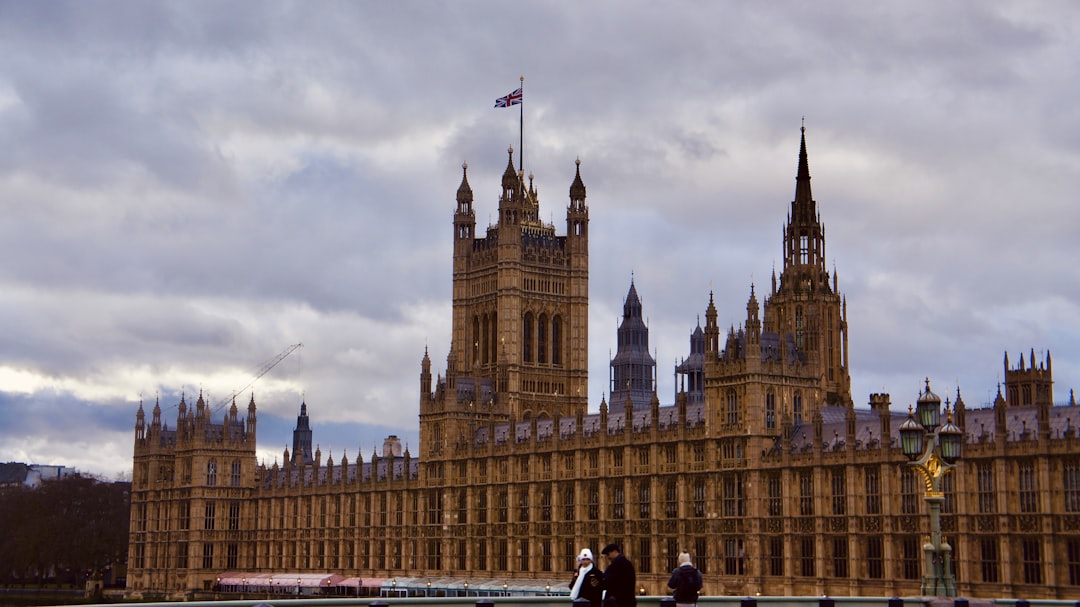
How Parliament Scrutinises the Government
Parliamentary scrutiny is the set of mechanisms through which MPs and peers question ministers, examine policy and test how public money is being...
Helen WhitmoreJune 28, 2026



How Social Media Changed British Political Communication
Social media has changed the speed, structure and tone of British political communication. Ministers, MPs, parties and campaigners can address voters directly, while...
Helen WhitmoreJune 26, 2026


